There is a national campaign to institutionalize all preschoolers through government funded and/or mandated "universal preschool." This group seeks to redefine universal preschool as an unheralded worldwide community of loving, functional parents who exercise their right and authority to nurture and teach their young children at home.
The Lesson Plans Page is a collection of over 3,500 lesson plans, primarily at the elementary level, that were developed by Kyle Yamnitz, students, and faculty at The University of Missouri. The Lesson Plans Page was developed to assist educators of all types. Elementary school teachers get lesson plans that are ready to use in their classrooms. College students get great example lesson plans or ideas to base their own lesson plans on. Home schoolers can get lesson plans to use at home and parents can get ideas for educational activities to use with their children.
Although it seems that the majority of the responsibility of homeschooling falls to mothers, there are many fathers who participate in their family's homeschooling to varying degrees. From dads who help teach science or take the kids on field trips to fathers who do all the teaching while his wife is the breadwinner, fathers have many roles to choose from when a family is homeschooling.
This list is for families using the classical approach to education as outlined in Laura Berquist's independent study program, Mother of Divine Grace (MODG), and in her book Designing Your Own Classical Curriculum (DYOCC). The discussions on this loop primarily revolve around the implementation and use of resources which are recommended in the MODG syllabi and in DYOCC. Additionally, they always welcome conversations about the classical methodology of MODG/DYOCC.
 The Homeschool Planner: Beautiful and Undated with Monthly Tabs | To Do List, Go...
 Forvencer 12 Pocket Project Organizer, 1/6-cut Tab Binder Organizer with Sticky ...
 The Homeschool Bible Parent's Planner: An Interactive Guide to Designing Yo...
 Mega Homeschool Planner and Organizer Soft Flora: Fully Customizable Planner, Or...
 The IRS and Your Homeschool Organization
 Homeschool Planner: Full-Color 12 Month Undated Lesson Plan Book for Homeschooli...
 Homeschool Mama: Weekly & Monthly Lesson Planner and Record Book for Teachin...
 Homeschool Mama: Lesson Planner & Organizer: Homeschooling Record Keeper for...
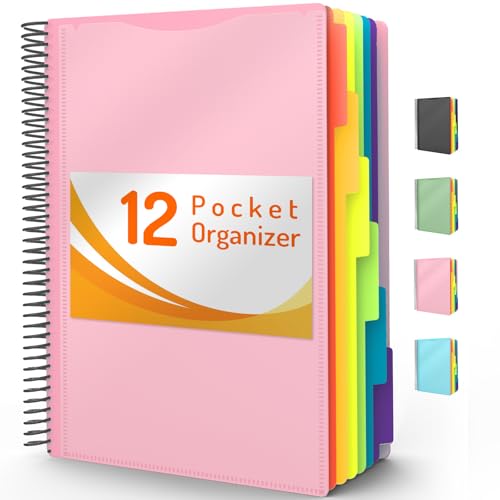



 3 Weeks to an Organized Homeschool: A Step-by-Step Guide to Organizing Your Scho...