Homeschool Laws
Read the laws regulating home education in {{state}} and browse through the case law and legal opinions relating to those laws, along with government publications relating to homeschooling and summaries of the laws.
CHEC Homeschool Guidebook for Colorado
Need a map for your homeschooling journey in Colorado? This classic go-to compendium used by countless families in Colorado is now completely updated and streamlined for you. The CHEC Homeschool Guidebook will give you tons of practical information, worksheets, resource lists, scriptural encouragement, and more – just what you need to homeschool in Colorado with confidence.
Political Influence
Together We Stand Free
Social Security's New Home School Flow Chart
Title 21 Education: Chapter 4 - Pupils, Article 1 - Compulsory Attendance
- For the purposes of this article:
- "Unexcused absence" means the absence, as defined in the policies of the local board of trustees, of any child required by this article to attend school when such absence is not excused to the satisfaction of the board of trustees by the parent, guardian, or other person having control of such child;
- "Habitual truant" means any child with five (5) or more unexcused absences in any one (1) school year;
- "Private school" is any nonpublic, elementary or secondary school providing a basic academic educational program for children and may include parochial and church or religious schools and home-based educational programs;
- "Parochial, church or religious school" is one operated under the auspices or control of a local church or religious congregation or a denomination established to promote and promulgate the commonly held religious doctrines of the group though it may also include basic academic subjects in its curriculum. Nothing contained in W.S. 21-4-102(b), 21-2-401 or 21-2-406 grants to the state of Wyoming or any of its officers, agencies or subdivisions any right or authority to control, manage, supervise or make any suggestions as to the control, management or supervision of any parochial, church or religious school which meets the requirements of W.S. 21-2-406(a);
- A home-based educational program means a program of educational instruction provided to a child by the child's parent or legal guardian or by a person designated by the parent or legal guardian. An instructional program provided to more than one (1) family unit does not constitute a home-based educational program;
- "Basic academic educational program" is one that provides a sequentially progressive curriculum of fundamental instruction in reading, writing, mathematics, civics, history, literature and science. These curriculum requirements do not require any private school or home-based educational program to include in its curriculum any concept, topic or practice in conflict with its religious doctrines or to exclude from its curriculum any concept, topic or practice consistent with its religious doctrines.
- Every parent, guardian or other person having control or charge of any child who is a resident of this state and whose seventh birthday falls on or before September 15 of any year and who has not yet attained his sixteenth birthday or completed the tenth grade shall be required to send such child to, and such child shall be required to attend, a public or private school each year, during the entire time that the public schools shall be in session in the district in which the pupil resides; provided, that the board of trustees of each school district may exempt any child from the operation of this article when:
- The board believes that compulsory attendance in school would be detrimental to the mental or physical health of such child or the other children in the school; provided, the board may designate at the expense of the district a medical doctor of its choice to guide it and support it in its decision;
- The board feels that compulsory school attendance might work undue hardship. The board may conduct a hearing on issues pursuant to this paragraph by executive session; or
- The child has been legally excluded from the regular schools pursuant to the provisions of W.S. 21-4-306.
- A home-based educational program shall meet the requirements of a basic academic educational program pursuant to W.S. 21-4-101(a)(vi). It shall be the responsibility of every person administering a home-based educational program to submit a curriculum to the local board of trustees each year showing that the program complies with the requirements of this subsection. Failure to submit a curriculum showing compliance is prima facie evidence that the home-based educational program does not meet the requirements of this article.
Colorado Statute 22-33-104.5
Colorado Statute 25-4-901
This statute relates to state of Colorado school entry immunization requirements.
Colorado Statute 25-4-903 - Exemptions from Immunization - Rules
Regulations concerning exemptions from required immunizations in the state of Colorado.
How to Withdraw Your Child from School in Colorado
If you want to start homeschooling during the school year and your child is currently enrolled in a public or private school, you may formally withdraw your child from that school. If you are going to start homeschooling after the school year is over, and your child is considered enrolled for the following year, we recommend that you withdraw your child before the next school year begins, so that the school does not mark your child as absent or truant.
We Stand For Homeschooling
Colorado Statute 25-4-902
Details of the state of Colorado requirements for immunizations.
Colorado Homeschool Law - A Summary
Special Education Provisions for Colorado: Regulations and Resources for Your Special Needs Homeschool
If you are homeschooling a child with special needs, you need to follow your state’s homeschool regulations. There are no additional requirements for homeschooling children with special needs.
Battling for the Heart and Soul of Home-Schoolers
Compulsory School Age in Colorado
Colorado law requires that every child who is 6 years old on or before August 1 of the current school year, and under the age of 17, must attend school. If a homeschool is operating under Colorado’s home education statute (Option 1), the parents may wait to begin actual instruction until their child is 7 years old; however, they must still submit a notice of intent beginning with the school year that the child turns 6 by August 1.
Home School Legal Defense Association (HSLDA)
The Importance of Recordkeeping in Colorado: Best Practices for What Records to Keep
Good records equip your student with proof of education for continuing their education, entering the military, or passing an employer’s background check. It may also prove valuable if there are ever any questions about your homeschool.
Legal Directory By State
HSLDA's Position on Tax Credits Generally
How to Suppress Homeschooling
Northern Colorado Homeschool Association
Northern Colorado Homeschool Association (NCHA) is a non-profit group for homeschooling parents and children of all ages. The majority of our families live along the Northern Colorado Front Range (Fort Collins, Windsor, Loveland Area). We are an inclusive, secular, eclectic, local, member-run organization that honors the diversity of homeschoolers and provides a supportive community for our members.
On Jumping Through Hoops
Homeschoolers of Wyoming Legislation Information
Wyoming Home Education Law
State Laws Concerning Participation of Homeschool Students in Public School Activities
Colorado Statutes - Complete Text
Association of HomeSchool Attorneys (AHSA)
National Home Education Legal Defense (NHELD)
Colorado Statute 22-33-104
Colorado Home School Laws
How to Homeschool in Colorado
This how to begin homeschooling guide is presented by CHEC, Christian Home Educators of Colorado. It details the basics, with the first steps for you to take and lots of great information to get started homeschooling in Colorado.
Universal Preschool
Colorado Department of Education Home School Information
Title 21 Education: Chapter 4 - Pupils, Article 5 - Tuition
21-4-506. Participation in activities by students not enrolled in the district; limitation on fees.
- Any school age child who is a resident of a school district, who is not under suspension or expulsion by a Wyoming school district and who is not enrolled as a full-time student in the district in which he resides, shall be permitted by the district to participate in any activities which are sanctioned by the Wyoming high school activities association and which are offered by the district subject to the following:
- The district may require the student to pay any fees for participation which are required by the Wyoming high school activities association;
- The district may charge that student an additional fee for participating, but that fee shall be no more than any fee for participating charged to full-time students of the district. The district shall not require that student to pay tuition or to pay any other fees or charges as a condition of participation;
- As a condition of participation, the student shall be required to comply with all other rules and policies of the district or any school activities association applicable to all students participating in the activity and not related to the assessment of fees or charges.
Colorado Statute 22-32-116.5
Wyoming Home School Laws from HSLDA
The Seduction of Homeschooling Families
Primer on Individual Lobbying
Alliance for the Separation of School & State
Public School Access for Homeschoolers in Colorado
Children participating in a non-public, home-based education program are allowed equal access to the public school’s extracurricular and interscholastic activities according to Colorado Revised Statutes § 22-33-104.5(6) and Colorado Revised Statutes § 22-32-116.5.
Title 21 Education: Chapter 4 - Pupils, Article 4 - Isolation
21-4-402. Instruction for hospitalized or homebound pupils.
- The board of trustees of each school district shall offer homebound instruction for each pupil in the district who is hospitalized or homebound for more than one (1) week because of injury or illness.
- The board shall also offer homebound instruction for each pupil in the district who is hospitalized or placed in a state accredited or state certified treatment facility for more than one (1) week in a hospital or facility located in another Wyoming school district because of injury or illness. The board shall either provide instruction directly or contract with the school district in which the pupil is hospitalized or placed in a facility to provide this instruction. This subsection does not apply to pupils who are hospitalized or placed due to a mental, physical or psychological handicap and who are receiving educational services under W.S. 21-2-501.
The Legal Side of Homeschooling: An Overview of the Legal Risks and their Solutions
How to Comply with Colorado's Homeschool Law
In Colorado, there are three options under which you can legally homeschool. You are free to choose the option that best meets your family’s needs. These options include homeschooling under Colorado's homeschool statute, homeschooling with an independent school, and homeschooling with a certified teacher.
House Joint Resolution 05-1040
Resources
-
 Common Law Handbook: For Juror's, Sheriff's, Bailiff's, and Justi...
 -
 The 8 Laws of Health: Educational, Coloring & Activity Book for Children
 -
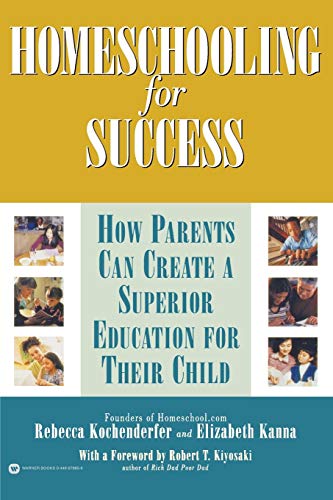
 Homeschooling for Success: How Parents Can Create a Superior Education for Their...
 -
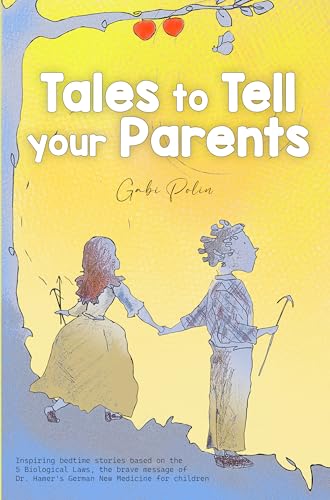
 Tales to Tell your Parents: Inspiring bedtime stories based on the 5 Biological ...
 -
 Shemini: New Beginnings, The Holy Mishkan, and The Laws of Kashrut - A Jewish Ch...
 -
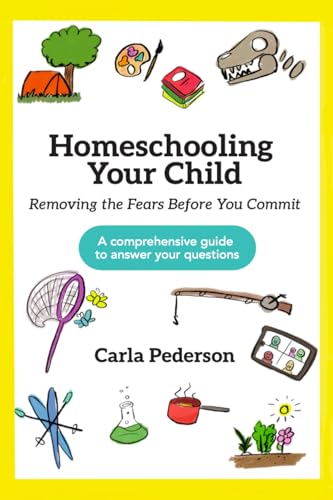
Homeschooling Your Child: Removing the Fears Before You Commit
-
 The Wolf's Legacy (Homeschooling Collection)
 -
How to Advocate Successfully for Your Child: What Every Parent Should Know About...





Featured Resources
-
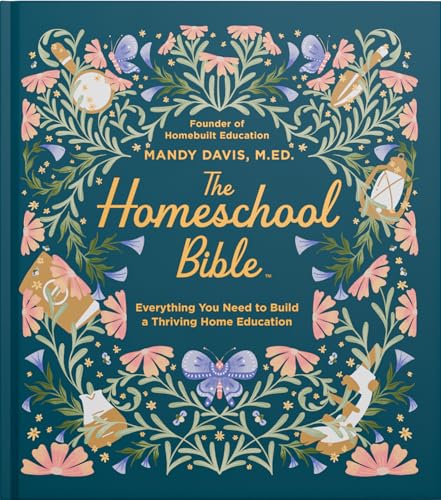
 The Homeschool Bible: A Practical Guide to Homeschool Curriculum, Lesson Plannin...
 -
 The Law of God: For Study at Home and School
 -
 Wrightslaw Special Education Law, 3rd Edition
 -
The Beginners Homeschool Survival Guide: A Realistic and Encouraging Guide for P...
-
Homeschool Hours Log Book: For Missouri Moms to Plan and Document Law Requiremen...
-
Physical Science Workbook: Newtons Laws of Motion for Kids | Middle School &...